Learning outcome 4: Professional standard
You apply professional practice, both individually and in teams, in the areas of project organisation, communication with stakeholders, exploratory research, and reporting.
Content Strategy Workshop
Introduction
As part of the branding project, we had a workshop by Dirk that focused on content strategy. It really opened my eyes to how much thought goes into planning what content goes where — and why. We explored audience targeting, message clarity, and practical structuring.
What did I do?
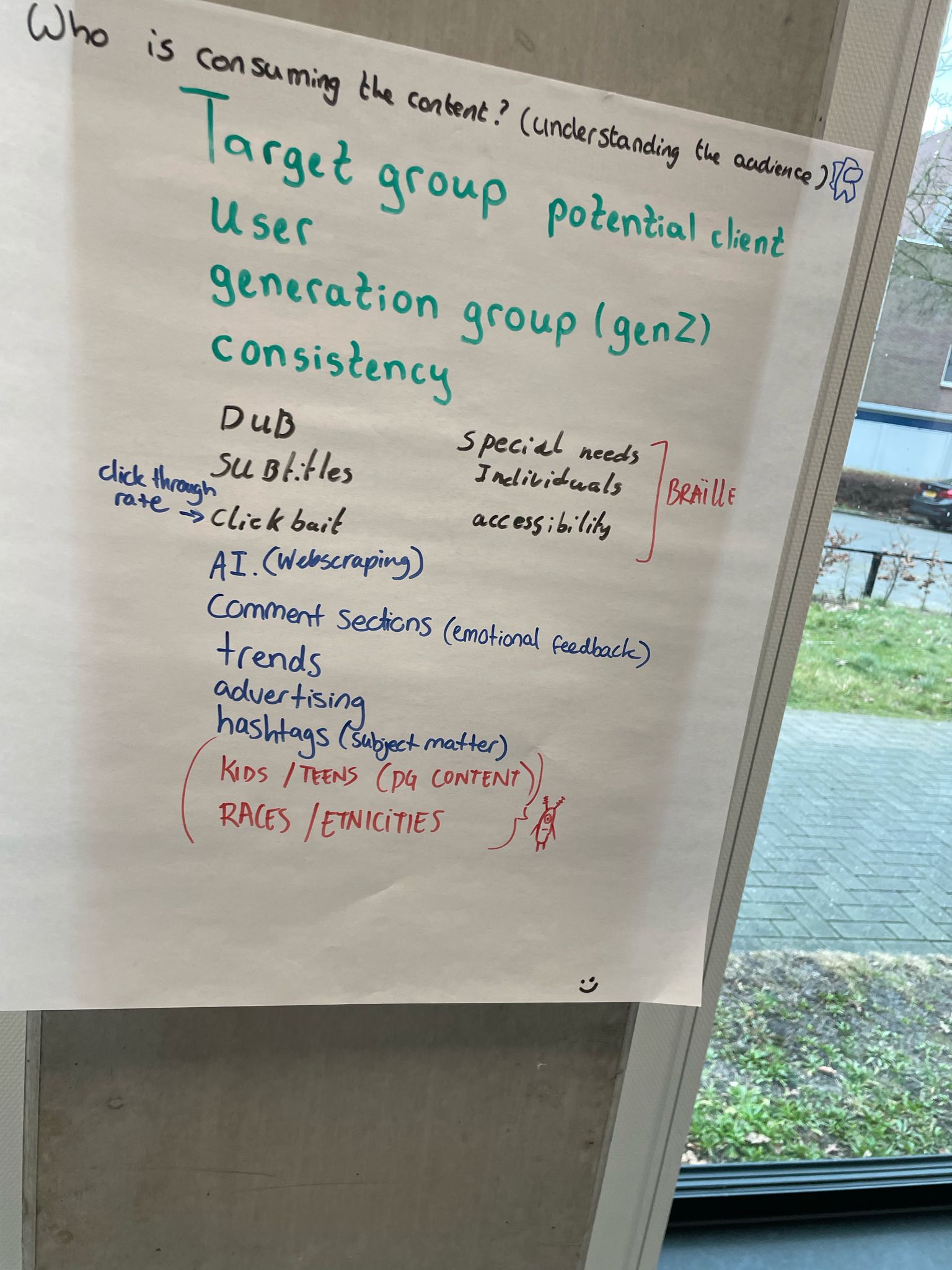
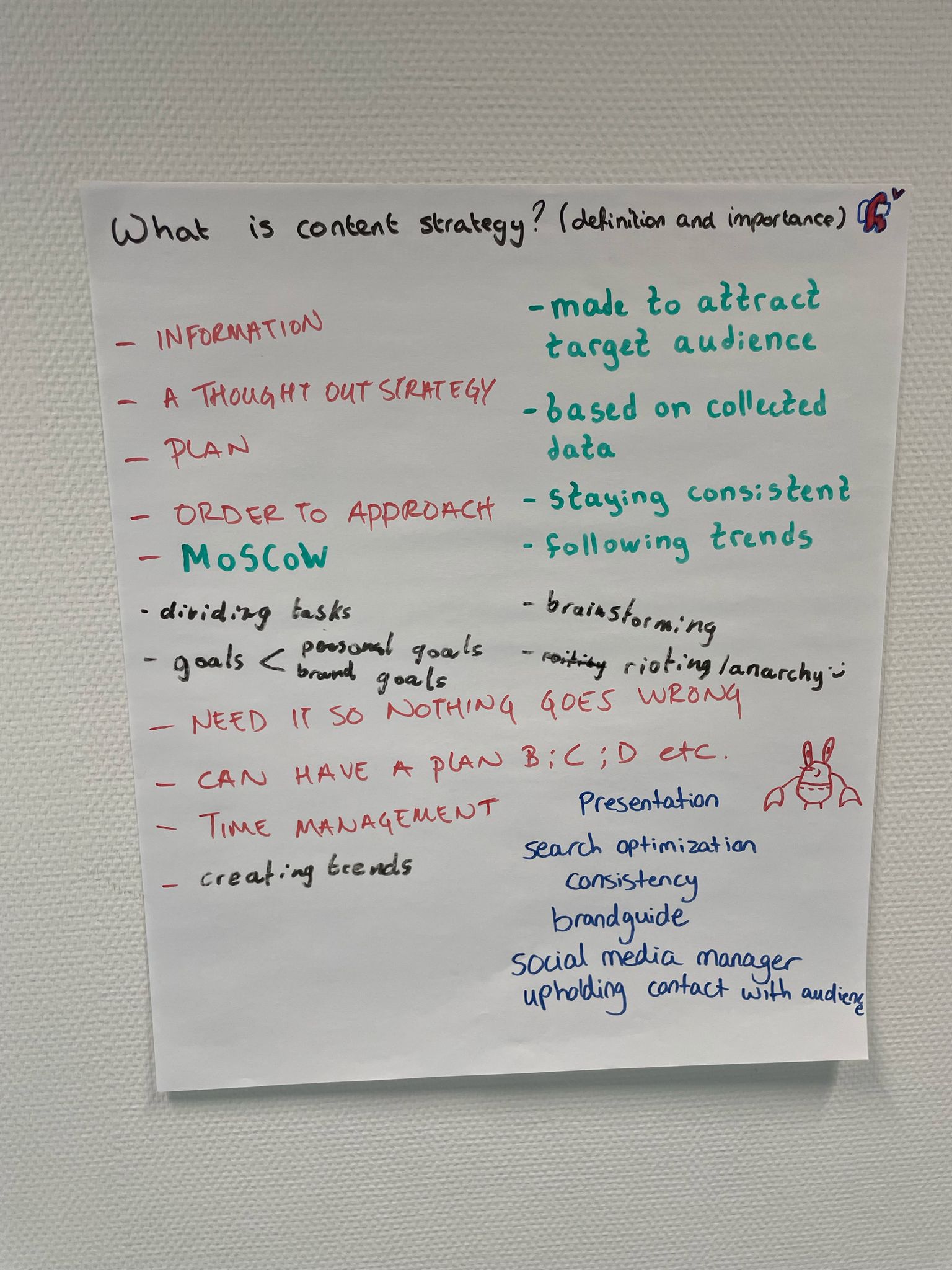
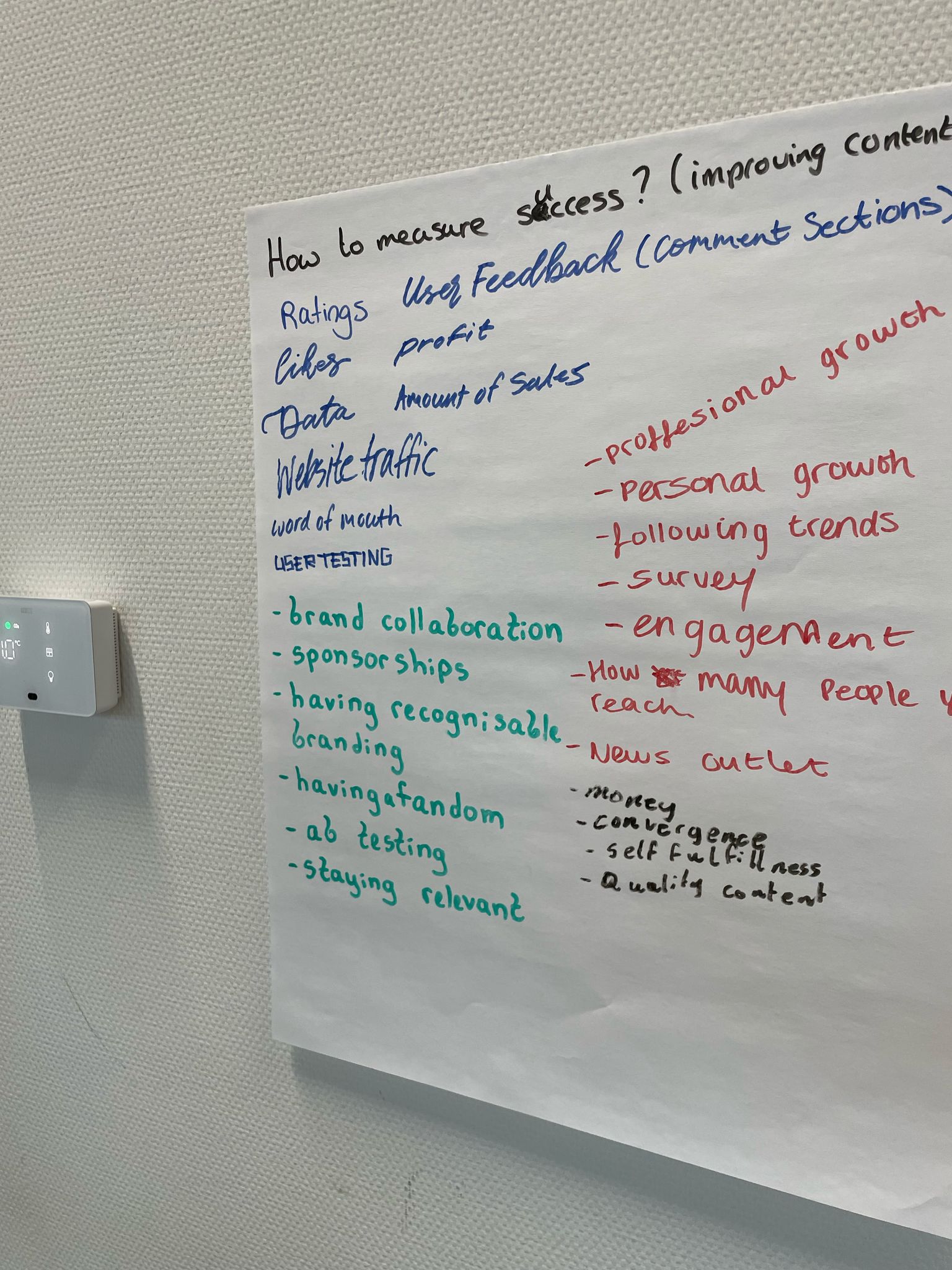
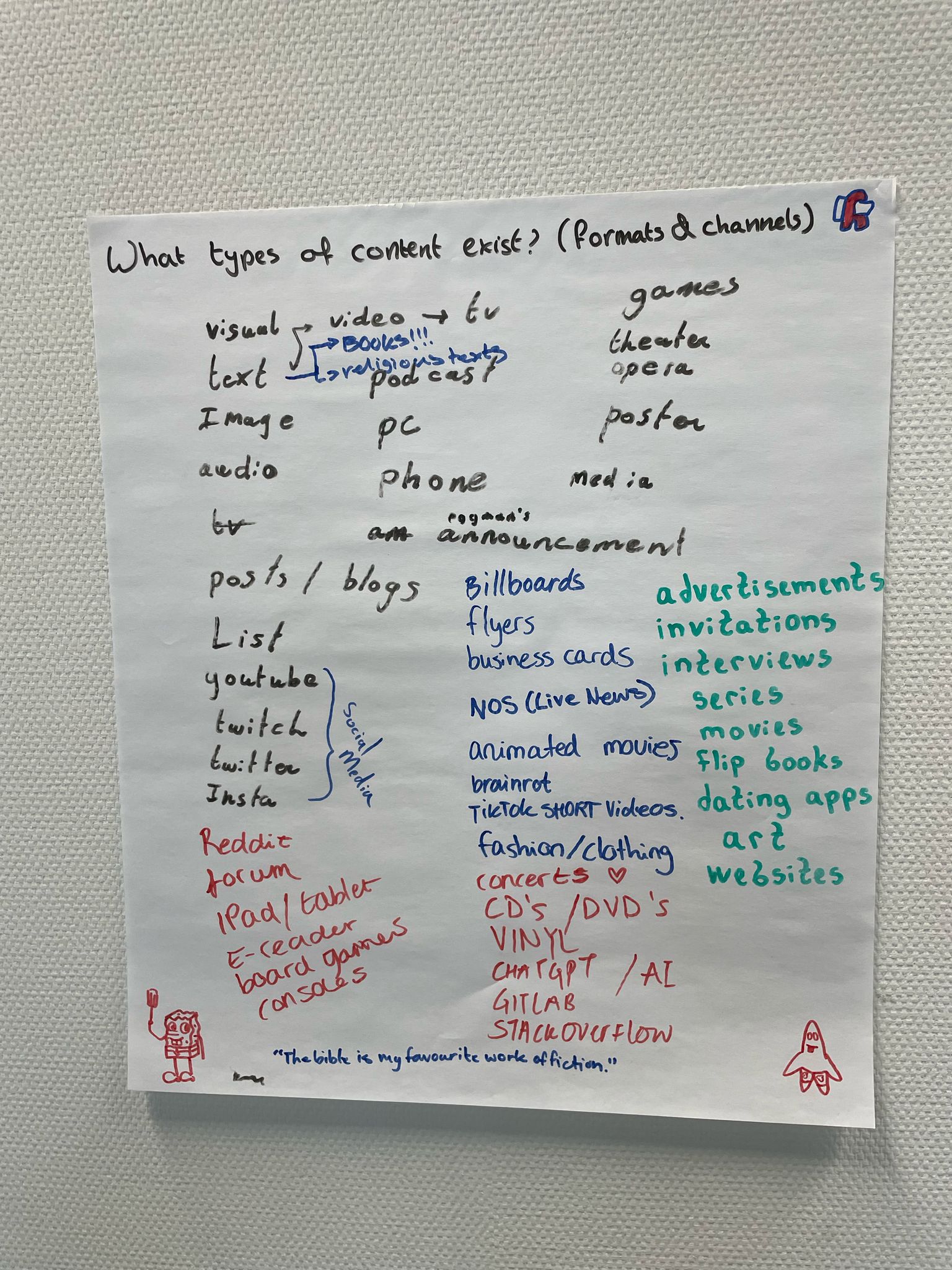
Download: Osfast Content Strategy (PDF)
How did it go?
It went super well! Dirk explained things clearly, and we applied what we learned directly to our Osfast project. It made our planning way more structured and focused.
What I learned
- How to identify and understand target audiences
- The importance of core messaging
- Why structure matters before design even starts
Reflection
I used to jump into visuals first, but now I realize that strong content direction makes everything smoother. This was a great step toward thinking more professionally.
No-Tech Prototyping Workshop
Introduction
Dirk ran a really creative workshop where we had to prototype without any tech—no laptops, phones, or AI tools. It was all about relying on your brain and your teammates. Honestly, it felt weird at first, but it pushed us to think in new ways.
What did I do?
We worked in groups to create a prototype from scratch, using paper, pens, and discussions.
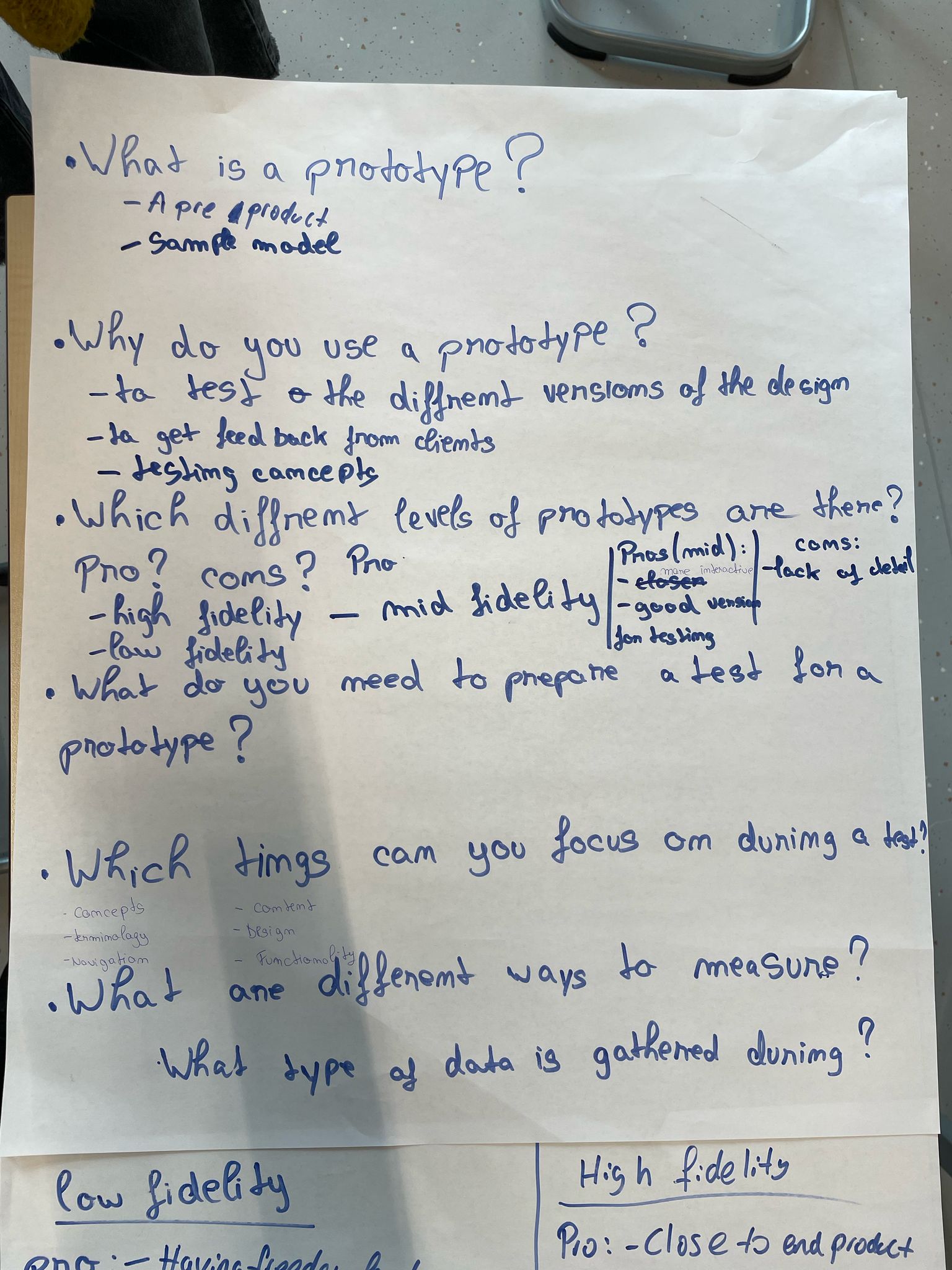
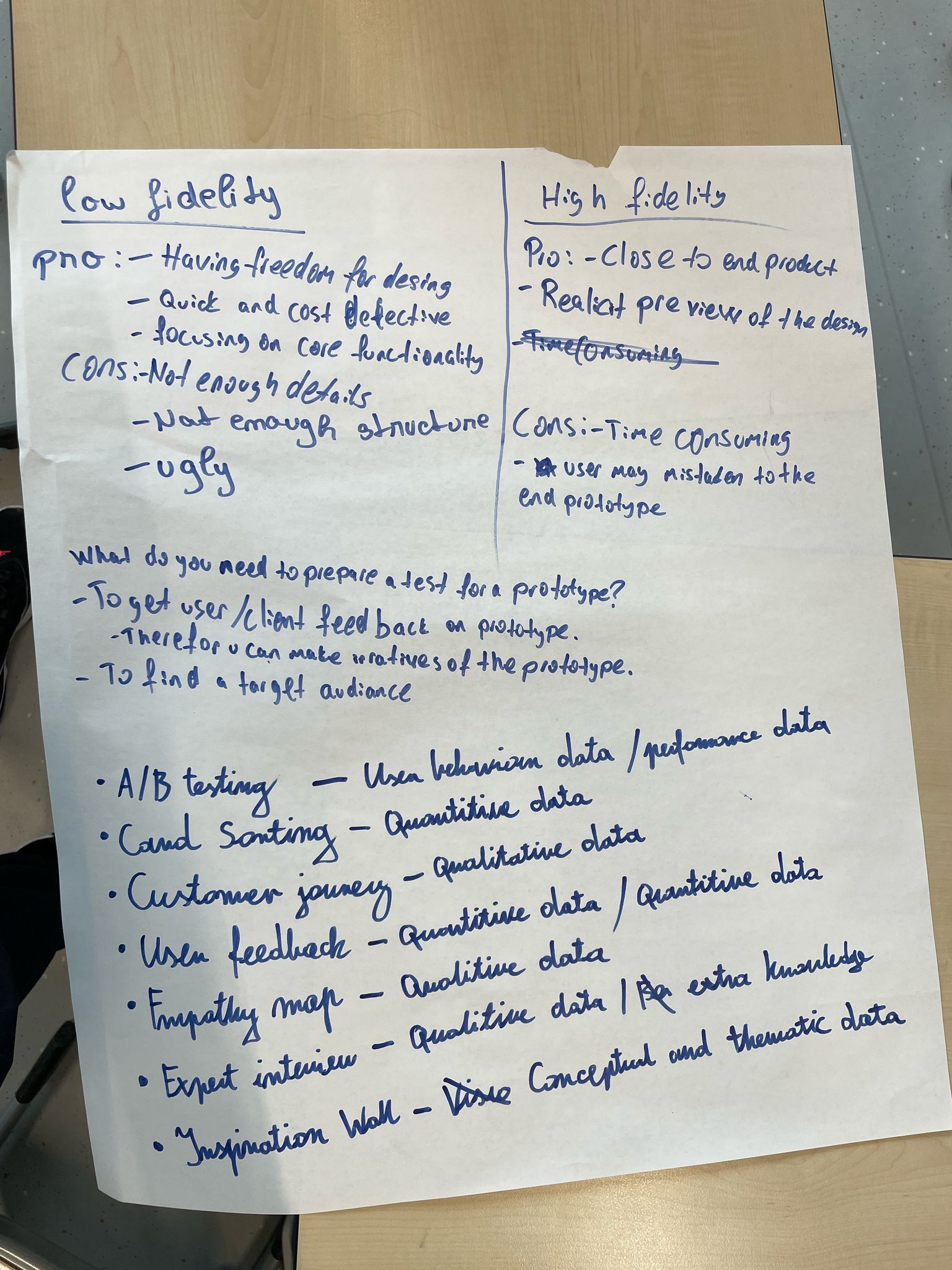
How did it go?
At first, not being able to search online was tough. But once we got into it, I realized we already knew a lot more than we thought. The group work made the whole process more enjoyable and creative.
What I learned
- Brainstorming doesn’t need a screen
- Constraints actually helped our creativity
- Team communication is a powerful tool
Reflection
This reminded me that I don’t always need to Google everything. It boosted my confidence in my own ideas and helped me trust group processes more.
Communicating with Real Clients
Introduction
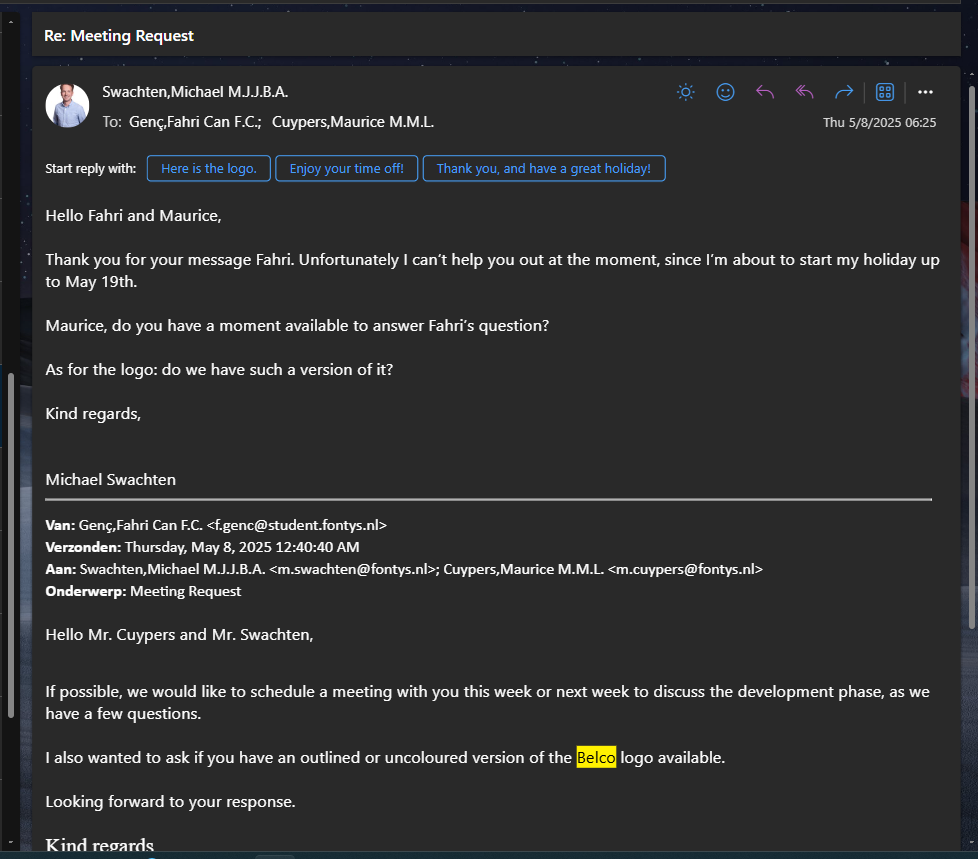
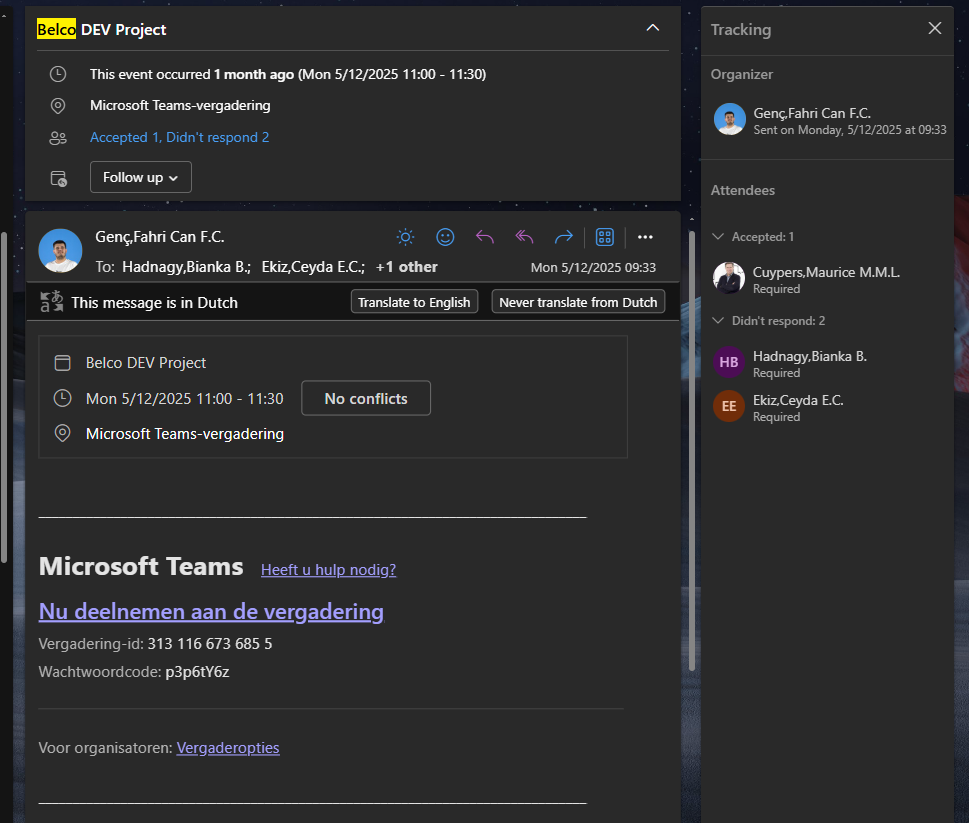
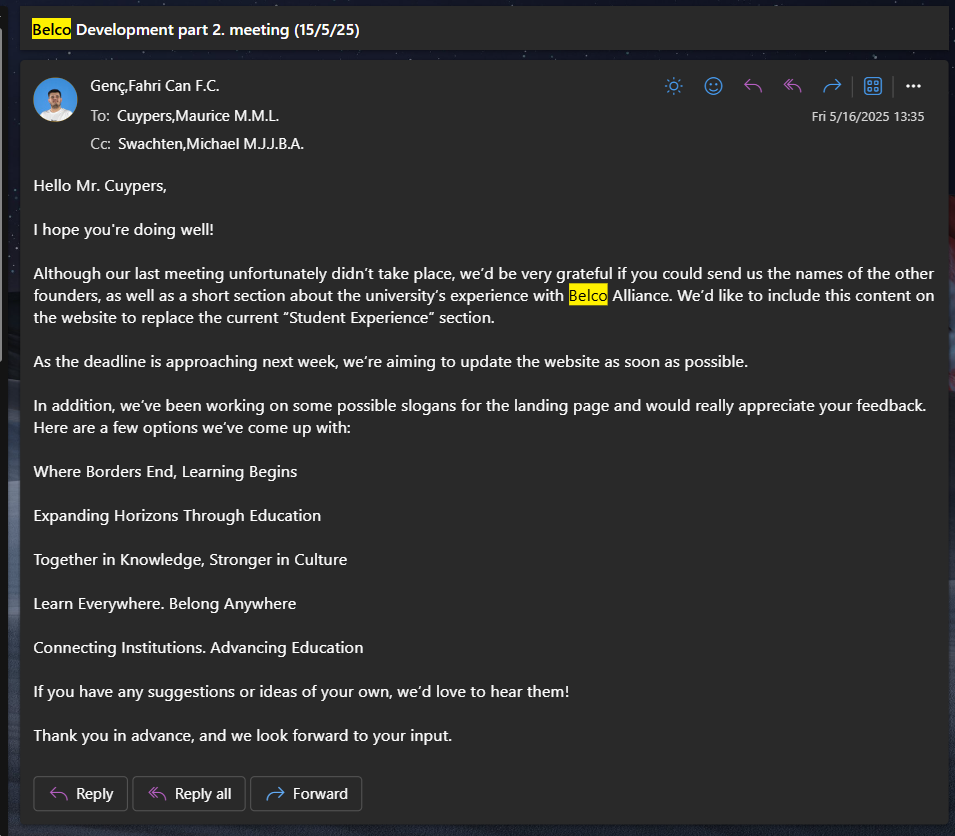
For the Create That UX project with BELCO, I was the main point of contact with the client. It wasn't always easy — sometimes they didn't reply on time, and it was hard to keep things moving. Still, I kept things professional and tried my best to stay in touch.
What did I do?
I sent follow-up emails, organized meetings, and kept my team updated. Even when communication was slow, I remained polite and persistent.
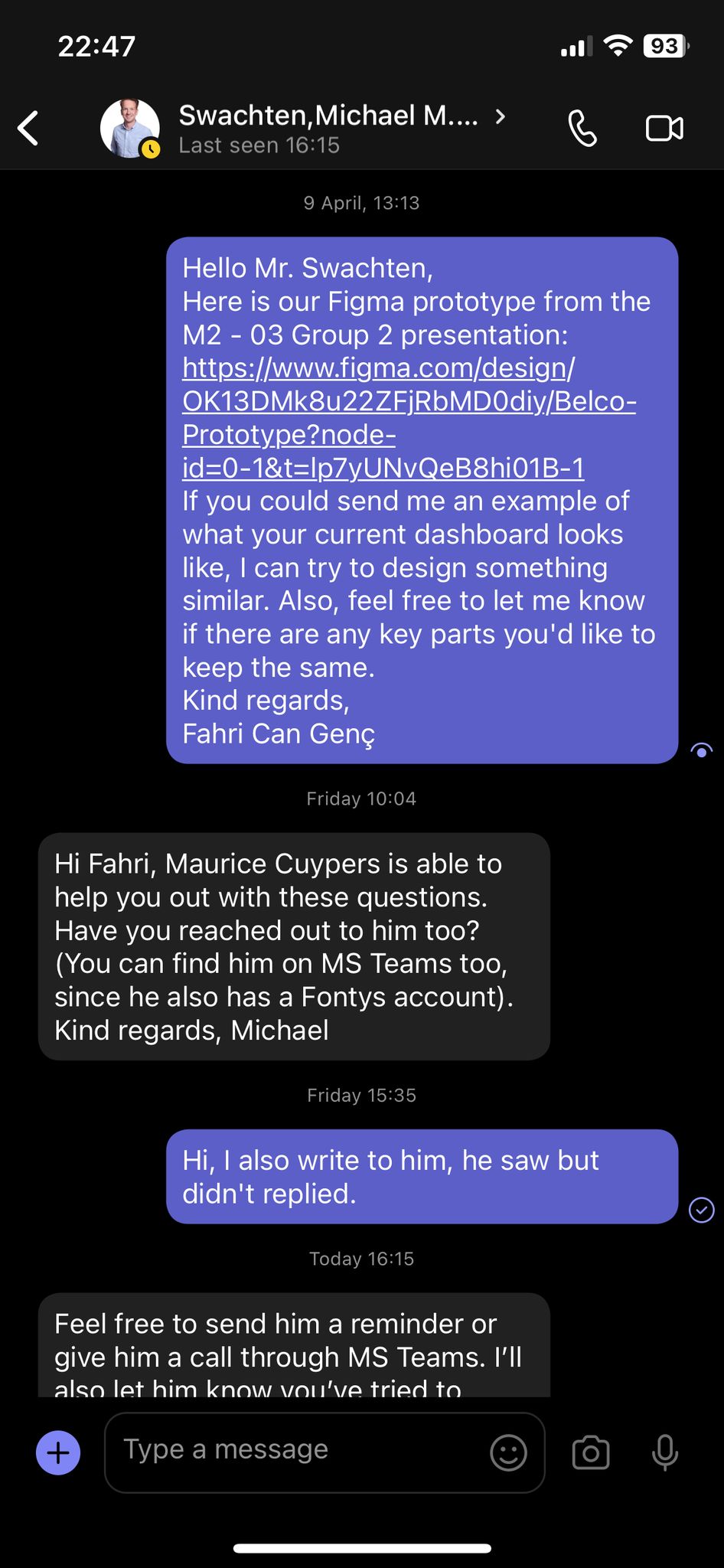
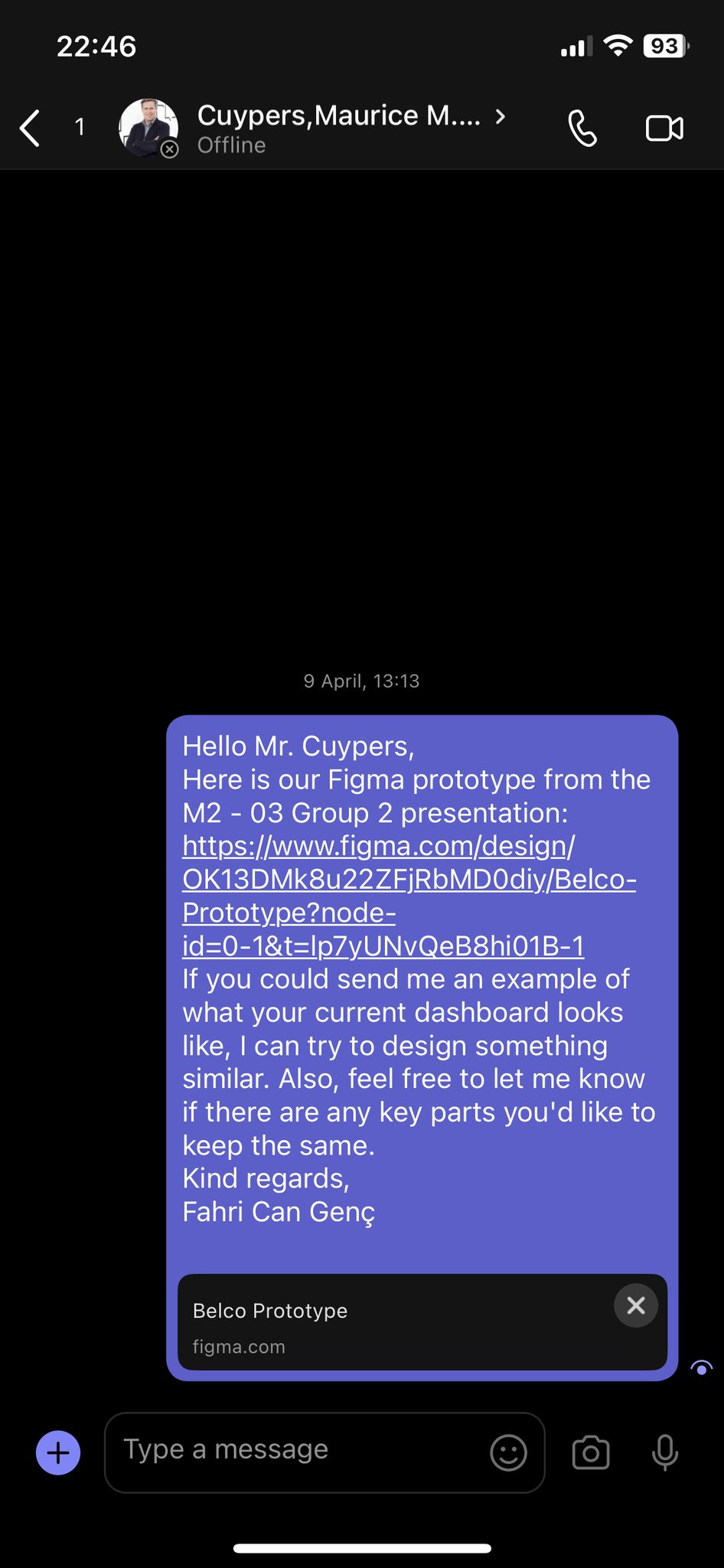
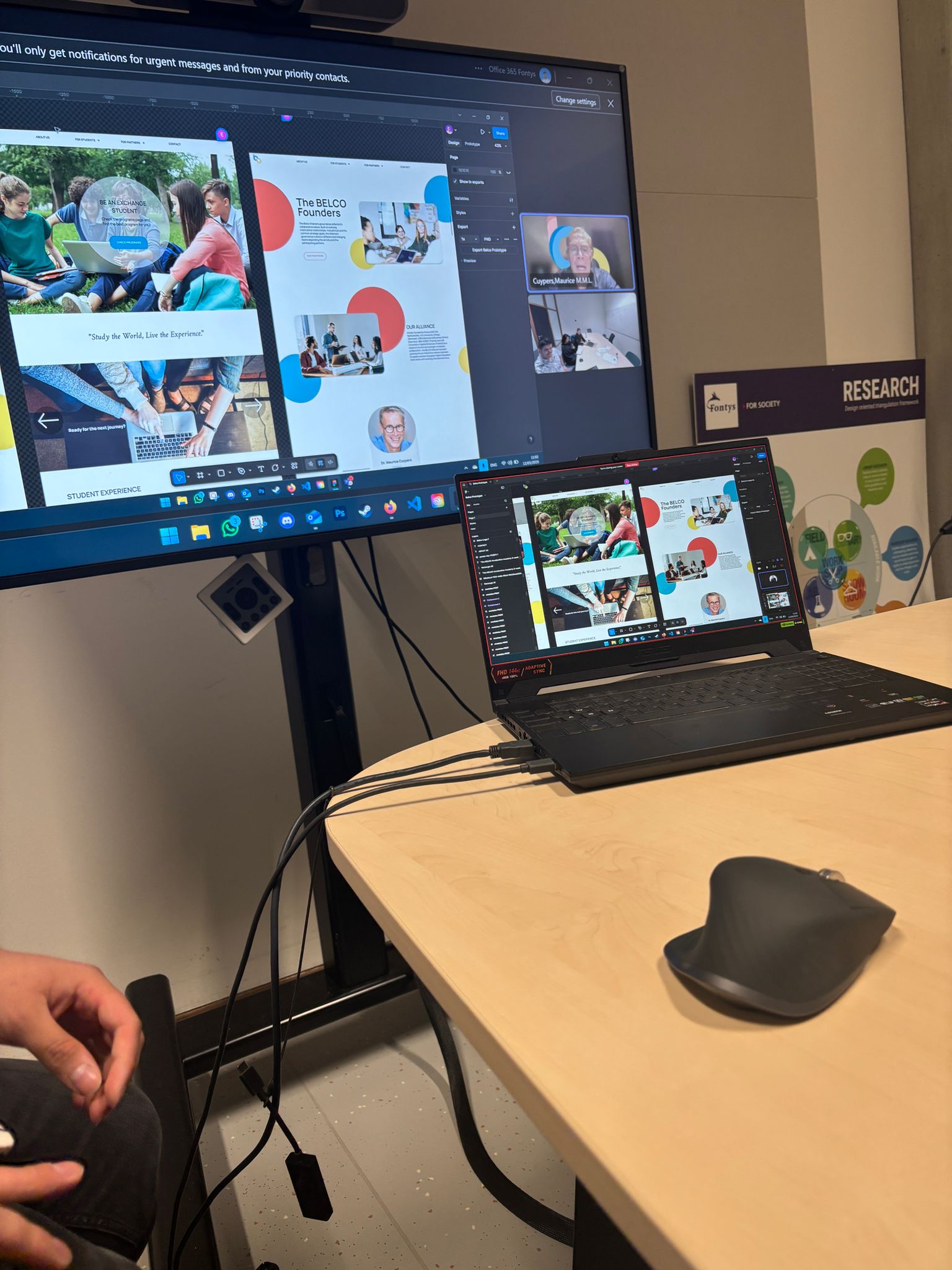
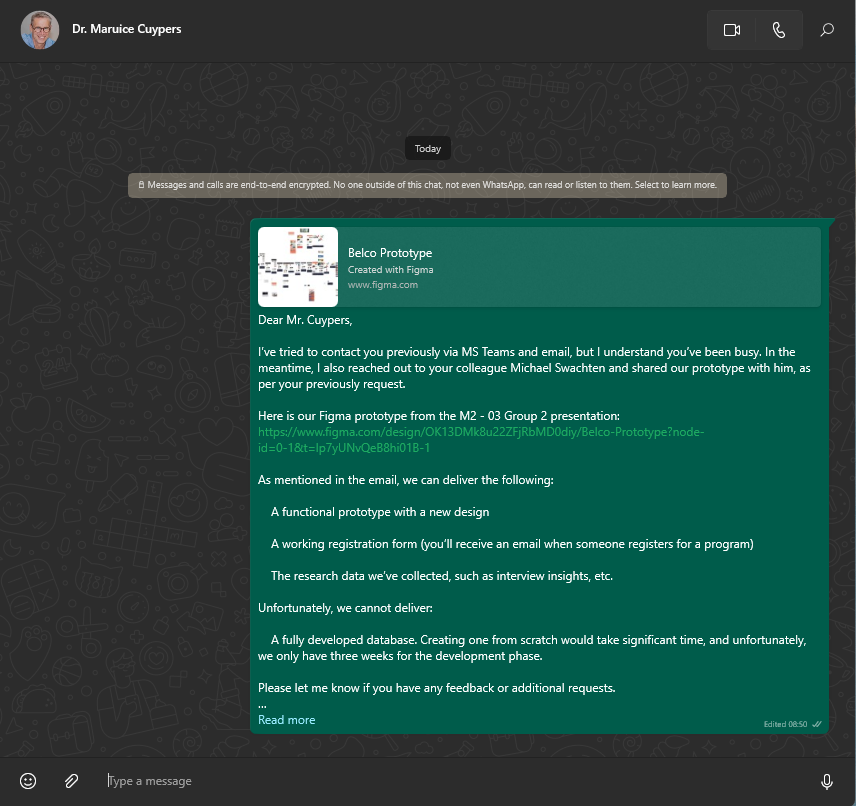
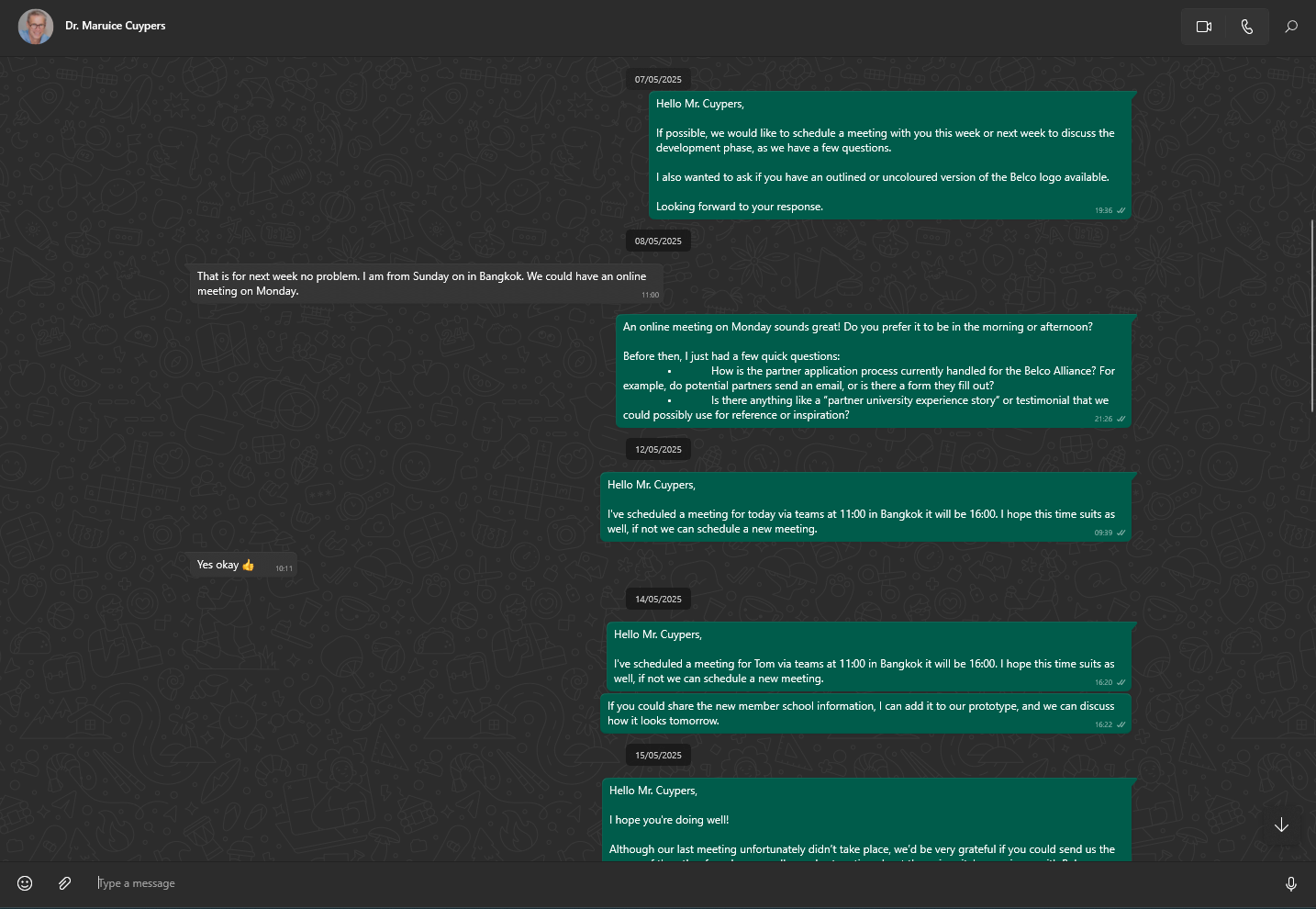
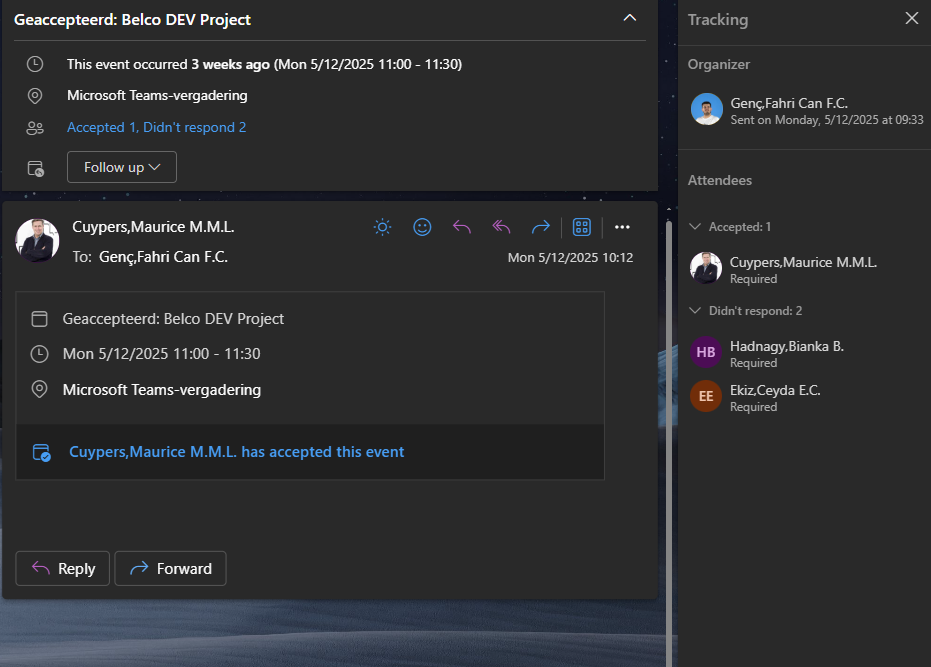
How did it go?
Honestly, it wasn't perfect. We didn't always get answers in time. But I learned to manage expectations and keep pushing forward without getting discouraged.
What I learned
- Clients can be unpredictable — be flexible
- Persistence and politeness go a long way
- Team updates are just as important as external ones
Reflection
This was a real-world lesson in communication. I'm proud I stayed professional even when things didn't go smoothly. Next time, I'll be more assertive and proactive from the start.
Research, Planning & Presentations
In each of my three main projects, I took a professional approach by doing research, making project plans, and presenting outcomes to peers, teachers, and real clients.
Zone In (Project X)
For this ADHD-friendly game, I explored accessibility-focused game design and planned for a live demo at the Project X event.
Here you can find more info about this project
Planning: I wrote out a short presentation script, created flyers, and used Sora AI to make a promo video.
- Planned demo flow and pitch lines
- Designed flyer with QR code
- Practiced explaining research + goals in 1–2 minutes
Presentation: I presented the game to rotating audiences during the Project X showcase.
OSFAST Branding
This branding project involved motion design research and content strategy work for a real client.
Here you can find more info about this project
Planning: We worked in phases — stylescapes, logo drafts, tone of voice, and content hierarchy. I helped shape the flow of the final presentation slides.
Presentation: Our final branding pitch was created in Canva and shared with the client.
Create That UX (Belco)
In the Belco redesign, I started with a competitive analysis and planned our team’s Trello board + agreement file.
Here you can find more info about this project
Planning: We used Trello to divide roles and set deadlines. I handled tasks like form layouts, sliders, and mobile views.
Presentation: We pitched the redesign to the client and teachers using a Canva deck. I explained my design choices and mobile improvements.
Reflection
Each project helped me become more confident with research, more organized with planning, and clearer with presentations. I now feel much more prepared for real client settings and team-based collaboration.
Overall Reflection
This learning outcome pushed me to act more professionally and communicate better. Whether it was through client emails, group workshops, or organizing my ideas clearly, I stepped out of my comfort zone and learned how to work smarter. I feel more prepared for real-world team projects now.